
Land credit is a financing option that lets you buy raw or undeveloped real estate without the traditional bank hoops. Instead of waiting months for approval or getting rejected because your credit isn't perfect, land credit moves faster and has looser requirements. It's designed for business owners, investors, and landowners who need capital to acquire property quickly.
If you've been turned down by a bank for a lot loan or you're frustrated with conventional lending timelines, this guide breaks down exactly what land credit is, how it works, and when it makes sense for your situation.
Related: What Is Cash Escrow? A Business Owner's Guide
Related: Property Line of Credit: How It Works for Business Owners
Related: Land Financing Options: Your Complete Guide to Buying Raw Land
Related: Who Loans Money on Land: Your Complete Guide to Land Financing
What Exactly Is Land Credit?
Land credit is a type of short-term or intermediate financing secured by raw land or undeveloped real estate. Unlike a traditional mortgage, it doesn't require the property to have existing structures or be ready for immediate development. The lender essentially holds a security interest in the land itself while you pay back the loan.
The term "land credit" can refer to a few different things depending on context:
- Direct land loans: Money borrowed against the land as collateral, paid back over a set timeframe.
- Lot loans: Financing for undeveloped land parcels, often used by real estate investors preparing to build or resell.
- Land conservation tax credits: A less common meaning where landowners transfer conservation easements and use tax credits as a financial asset.
For most small business owners, you're looking at the first two. These are faster, more flexible alternatives to traditional bank financing when you need to move on a property acquisition.
Why Land Credit Matters for Small Business Owners
Banks hate undeveloped land. There's no rental income, no occupancy, no immediate cash flow to prove repayment. That's why they say no to lot loans or demand a huge down payment and stellar credit.
Land credit fills that gap. Lenders in this space understand that raw land is an asset with real value, even if it's not generating income today. They're willing to take on more risk because they know the property itself is the security blanket.
This matters to you because:
- Speed: Approval can happen in weeks, not months.
- Flexible credit requirements: A few dings on your credit report won't automatically disqualify you.
- Lower barriers to entry: You don't need the massive down payment traditional lenders demand.
- Simpler process: Less documentation, more straightforward underwriting.
If you're in construction, real estate investment, agriculture, or any business where land acquisition is a core move, land credit can unlock deals that conventional financing blocks.
How Land Credit Actually Works
The basic mechanics are straightforward. You find a property, get it appraised, and apply for financing. The lender reviews the land value, your ability to repay, and your track record. If they approve you, they fund the purchase and hold a lien against the property.
You then make monthly or quarterly payments over the loan term, usually 3-10 years depending on the lender and your situation. Once paid off, the lien is released and the land is yours free and clear.
The interest rates are typically higher than a traditional mortgage because the risk is greater for the lender. You're not paying a bank prime rate; you're paying for speed and flexibility. Think of it as a fair trade.
Terms vary significantly by lender. Some land credit providers require a 20-30% down payment. Others might go lower if your credit and income look solid. Some allow early payoff without penalty. Others don't.
This is why doing your homework and comparing lenders is critical before signing anything.
Who Uses Land Credit and When
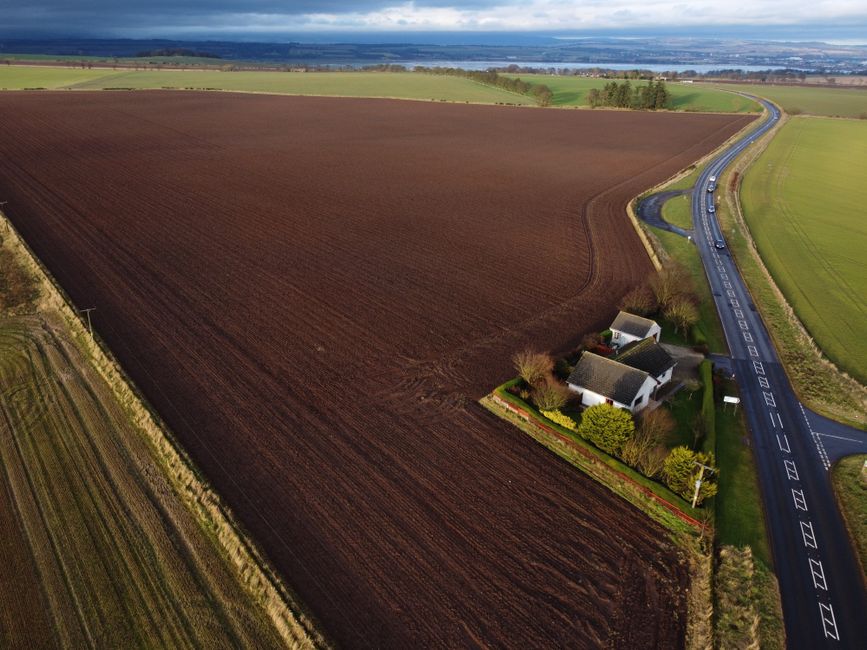
Land credit isn't just for big real estate developers. It's used by:
- Real estate investors: Buying land to flip, develop, or hold for appreciation.
- Construction companies: Acquiring land for project sites or company property.
- Farmers and ranchers: Purchasing agricultural land or additional acreage.
- Small business owners: Buying land for future expansion, a new location, or alternative asset.
- Non-profit organizations: Acquiring property for mission-critical facilities (though nonprofit lending has its own rules).
You'd typically look at land credit when:
- Banks have rejected you or made unreasonable demands.
- You need a decision in 30-45 days, not 4-6 months.
- The property doesn't fit traditional lending criteria (no structures, agricultural use, development stage).
- Your credit is good but not perfect, and your debt load is moderate to high.
- You have equity in other assets but limited liquid capital for a down payment.
Land credit is the tool you grab when conventional paths won't work.
Land Credit vs. SBA Loans and Other Financing Options
It helps to know how land credit stacks up against alternatives.
SBA-backed loans: The Small Business Administration offers programs with more flexible terms and lower down payments. The official SBA website lists eligibility details. SBA loans are slower to close (60-90 days) but have lower interest rates. Land credit is faster but more expensive.
Traditional mortgages: If the land has structures or immediate revenue potential, a conventional mortgage is cheaper and longer-term. But approval requires pristine credit, stable income, and 20-25% down. Land credit doesn't care as much about perfection.
Working capital loans: If you need money for equipment, payroll, or inventory rather than real estate, working capital loans are the right vehicle. Land credit is property-specific.
Equipment leasing: If you're buying machinery, construction equipment, or vehicles, equipment leasing might be cheaper and more flexible than a land loan.
The bottom line: land credit is the specialist tool when you're buying real estate and conventional paths are closed.
Key Factors Lenders Look At
When you apply for land credit, lenders evaluate a few core things:
- Property value: They'll order an appraisal. The higher the appraised value, the more they can lend and the better your terms.
- Your credit score: Most lenders want 600+. Some go lower. Perfect credit gets better rates, but it's not a hard requirement.
- Debt-to-income ratio: If you're already carrying heavy debt, approval is less likely. Lenders want to see that you can absorb this new payment.
- Experience: Do you have a track record in real estate, development, or land acquisition? Experience matters.
- Down payment: More money down = lower risk for the lender = better terms for you. Typical range is 20-40%.
- Exit strategy: How will you repay this? Will you develop the land, lease it, or sell it? A clear plan improves your odds.
You don't need to be perfect in every area. But you should be strong in most of them.
Getting Started with Land Credit
If land credit looks right for your situation, here's the next move.
First, be clear on what you're buying and why. Know the property value, location, zoning, and your intended use. Lenders will ask, and having a solid answer builds confidence.
Second, pull your credit report and know your score. You can get a free report from AnnualCreditReport.com. Know your weaknesses before you walk in.
Third, compare lenders. Not all land credit providers are the same. Rates, terms, down payment requirements, and approval speed vary widely. Talk to at least three lenders before applying.
Fourth, have your documentation ready. Lenders will want your last two years of tax returns, bank statements, and a personal financial statement. The faster you move, the faster they move.
Fifth, consider talking to Aberdeen Financial Group LLC. We specialize in real estate investor loans and understand that traditional banks often miss good deals. A quick conversation can clarify whether land credit is the right move and what your realistic options are.
Common Pitfalls to Avoid
Before you sign, watch out for these traps.
- Not comparing terms: Taking the first offer you get could cost you tens of thousands in overpaid interest. Shop around.
- Overstretching on debt: Just because a lender will approve you doesn't mean you should say yes. Make sure you can afford the payment without crushing your business.
- Ignoring the fine print: Read the agreement fine print. Ask about prepayment penalties, balloon payments, interest rate locks, and what happens if you miss a payment.
- Borrowing more than the property is worth: Some lenders will let you do this. Don't. It sets you up for underwater financing and limits your exit options.
- Forgetting the holding costs: Undeveloped land still has property taxes, insurance, and maintenance. Factor these into your budget.
Is Land Credit Right for You?
Land credit makes sense if you're a business owner who needs to move fast on a property acquisition and traditional banks have said no or asked for unreasonable terms.
It's not ideal if you have perfect credit and plenty of time, because a conventional mortgage will be cheaper. And it doesn't apply if you're not buying real estate at all.
But if you're ready to act, you have a clear purpose for the land, and you want to skip the conventional lending gauntlet, land credit can be the accelerator your business needs.
Frequently Asked Questions
What credit score do I need for land credit?
Most lenders want 600 or above, but some go lower. A score below 580 makes approval harder and rates higher. However, land credit is more forgiving than traditional mortgages. If your score is 600-680, you're still competitive. Anything above 700 puts you in a strong position.
How long does approval take?
Typically 2-4 weeks if you have your documentation ready. Some lenders can move faster. Traditional banks take 45-90 days for comparison. Speed is one of the biggest advantages of land credit.
Can I get land credit if I'm self-employed?
Yes. Self-employed business owners and contractors get land credit regularly. You'll need solid tax returns (usually 2 years) and proof of income. It's easier than getting a traditional mortgage, but you still need to demonstrate cash flow.
What happens if I can't pay?
The lender forecloses on the property. This is why knowing you can afford the payment matters. Land credit is secured debt, meaning the collateral gets taken if you default. Don't borrow more than you can safely repay.