
Land financing is different from home mortgages. Raw land, farmland, and vacant acreage sit in a gray zone between traditional real estate lending and commercial financing. Lenders view them as riskier because there's no income-producing building, no immediate collateral revenue, and fewer comparable sales to appraise against. But options absolutely exist—you just need to know where to look and what each lender actually wants from you.
Traditional Banks and Credit Unions
Most regional and community banks will finance land if you bring a strong financial profile: solid credit (typically 660+), a substantial down payment (25-50%), and proof you have the capital and plans to develop or improve the property.
Related: Commercial Rental Property Loans: A Complete Guide for Investors
Related: Credit Application for Rental Property: Complete Guide
Related: Who Loans Money on Land: Your Complete Guide to Land Financing
Related: Self-Storage Financing: Complete Guide to Funding Your Facility
Related: Financing an Auction Property: Complete Guide for 2026
Related: Loan to Value Ratio Commercial Real Estate: Complete Guide
Related: Note-on-Note Financing for Commercial Real Estate: Complete Guide
The catch? Banks move slowly. Underwriting can take 4-8 weeks. They'll require appraisals, surveys, environmental assessments, and title work. If your land doesn't have utilities nearby or clear development potential, they'll often pass—no matter how good your credit is.
Credit unions sometimes offer slightly better rates than banks and may be more flexible on raw land deals, especially if you're a member with a long relationship history. But the approval timeline is similar.
Specialty Land Lenders and Non-Bank Alternatives
This is where speed and flexibility live. Non-bank lenders specialize in land deals banks reject: properties without utilities, environmentally sensitive sites, deals that need to close in 2-3 weeks, or borrowers with recent credit issues.
Specialty land lenders typically charge higher interest rates (8-15% range, depending on risk) and want larger down payments (30-50%), but they approve faster and ask fewer questions about your development timeline. Some operate nationwide; others focus on specific regions or land types.
If you're looking to move quickly on raw land for a business expansion, investment, or development project, talking to Aberdeen Financial Group LLC about alternative real estate financing makes sense—especially if traditional banks have already said no.
Seller Financing
Don't sleep on this one. Many landowners are willing to act as the lender themselves, especially if they're motivated to sell and you can put down 20-30% cash.
Seller financing cuts out the bank entirely. You negotiate terms directly with the owner: interest rate, payment schedule, balloon payment (if any), and whether they require a second mortgage or deed of trust. It's faster, cheaper (lower closing costs), and often easier to qualify for than bank financing.
The downside? You're dealing directly with a private party. Get a real estate attorney involved to draft a proper promissory note and security agreement. Don't trust a handshake on a six-figure deal.
Agricultural Land Programs
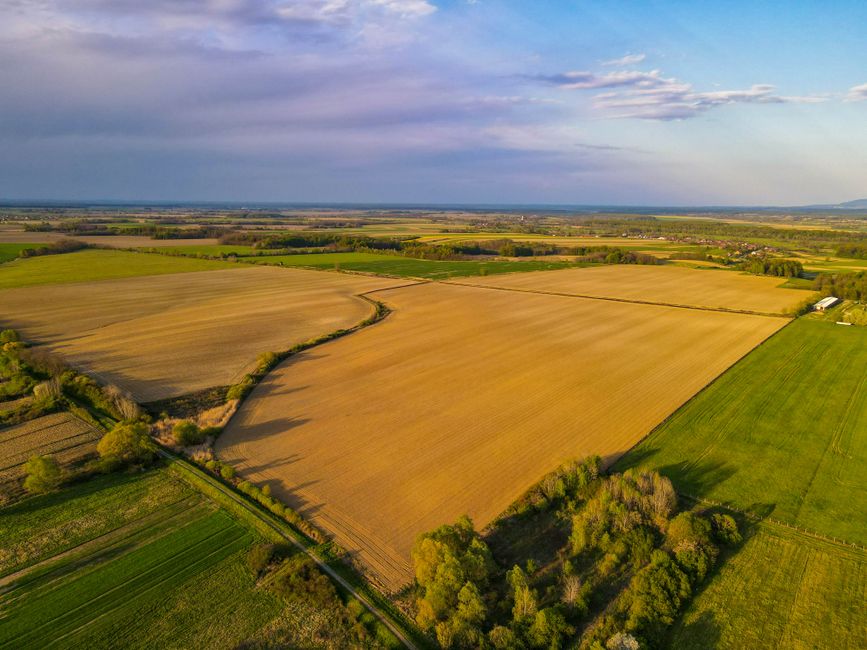
If you're financing farmland, pasture, or acreage for agricultural use, the USDA Rural Development program offers long-term, fixed-rate financing specifically designed for agricultural properties. Rates are often competitive, terms run 30-40 years, and qualification requirements are more forgiving than traditional banks.
You do have to meet income requirements, and the property must be in a designated rural area. But if you qualify, USDA financing is hard to beat for farmland.
State and local agricultural departments sometimes offer additional grant or low-interest loan programs too. Worth asking your county extension office if you're buying land for farming, ranching, or timber production.
Cash-Out Refinancing and Home Equity Lines
Already own property? A cash-out refinance on your primary residence or a home equity line of credit (HELOC) can fund land purchases without a separate land loan.
Related: Equipment Financing vs. Lines of Credit: Naples FL Guide for Bank-Rejected Businesses
Related: What Is Land Credit? A Guide for Business Owners
This only works if you have substantial equity in existing real estate and decent credit. But rates are usually lower than land-specific loans, and the approval process is smoother because the bank knows your payment history and has existing collateral.
Comparing Your Land Financing Options
Here's the real talk: you need to run the numbers on at least three different lending paths before committing.
For each option, calculate:
- Interest rate
- Down payment required
- Closing costs and fees
- Total monthly payment
- Time to approval and closing
- Balloon payment or prepayment penalties
A seller-financed deal at 8% might look cheap until you factor in legal fees. A bank loan at 6% might take 12 weeks—and you need to close in 3. A specialty lender's 11% rate might be worth it if you close in 14 days and need the land for a time-sensitive business investment.
What Lenders Want to See

Regardless of which path you choose, lenders want to know three things:
1. Why do you want the land? Clear intent matters. "I'm buying this 5-acre parcel to build my manufacturing facility" is better than "I think it might be valuable someday."
2. Can you actually use it? Zoning, utilities, access roads, environmental clearance—lenders will dig into whether the land can actually be developed or used for your stated purpose.
3. Can you afford it? Even if the land is unimproved, lenders want proof of liquid cash reserves (usually 6-12 months of payments) and a debt-to-income ratio they're comfortable with.
Red Flags to Avoid
Watch out for land deals that sound too good to be true. Some situations trigger major lender hesitation:
- Properties in flood zones or with environmental contamination
- Land locked in (no legal access to a public road)
- Properties in developing counties with no infrastructure nearby
- Deals where the owner is desperate to unload the property fast
- Parcels with disputed ownership or title issues
These aren't absolute deal-killers, but they'll drive up your financing costs and approval timeline. Get a title search and environmental assessment done early—before you sign anything.
Working With Real Estate Investor Lenders
If you're buying land as an investment (not for personal use or immediate development), real estate investor loans are built for exactly this scenario. These lenders understand raw land investing, development play timelines, and exit strategies.
Rates are higher than primary residence mortgages, but approval is faster and qualification criteria are less stringent. You typically need 20-30% down, reasonable credit (640+), and a clear explanation of your business plan.
Next Steps: Getting Started
Start by getting pre-approved. Most lenders will give you a pre-approval letter within 3-5 business days—and it costs nothing.
Pre-approval tells you:
- Exactly how much you can borrow
- What interest rate you'll likely get
- What down payment you'll need
- Whether the property type is financeable
Armed with a pre-approval, you can shop for land with confidence. You know your ceiling, and sellers take you seriously as a buyer.
If you've already tried traditional banks and hit a wall, or if you're looking for speed and flexibility on a land deal, Aberdeen Financial Group LLC specializes in real estate financing for investors and business owners who need alternatives to slow conventional lenders.
Land Financing for Business Growth
Land isn't just an investment—it's often a critical piece of business expansion. You need space for a new warehouse, manufacturing facility, restaurant location, or service center. In those cases, land financing becomes part of your working capital and growth strategy.
Speed matters because your competitors aren't waiting. You need land financing that works on your timeline, not a bank's underwriting calendar.
This is exactly why some business owners skip traditional lenders and go straight to specialty finance partners who get it: you're not buying land to flip it in five years. You're buying land because your business needs to grow now.
How much down payment do I need for land financing?
Most lenders want 25-50% down on raw land, compared to 10-20% for improved property. Seller financing might be as low as 20%. USDA loans can go down to 10-15% for qualified agricultural buyers. The less-developed the land and the weaker your profile, the higher the down payment required.
How long does land financing approval take?
Traditional banks typically take 4-8 weeks. Specialty lenders and seller financing can close in 2-4 weeks. Pre-approval usually happens within 3-5 days. If you need to close fast, you'll pay higher rates and need a bigger down payment—but it's doable.
Can I get land financing with bad credit?
Yes, but it's expensive. Credit scores below 620 will trigger higher interest rates (potentially 12-16%), larger down payments (40-50%), and more restrictive terms. Seller financing is often easier to qualify for with damaged credit. Non-bank lenders will work with you, but you'll pay for the risk.
What's the difference between land loans and mortgages?
Land loans are shorter-term (5-20 years vs. 30 years for mortgages), carry higher rates, require larger down payments, and are harder to qualify for because the land produces no income and has less predictable value. Lenders see them as riskier, so they charge more and ask for more security upfront.