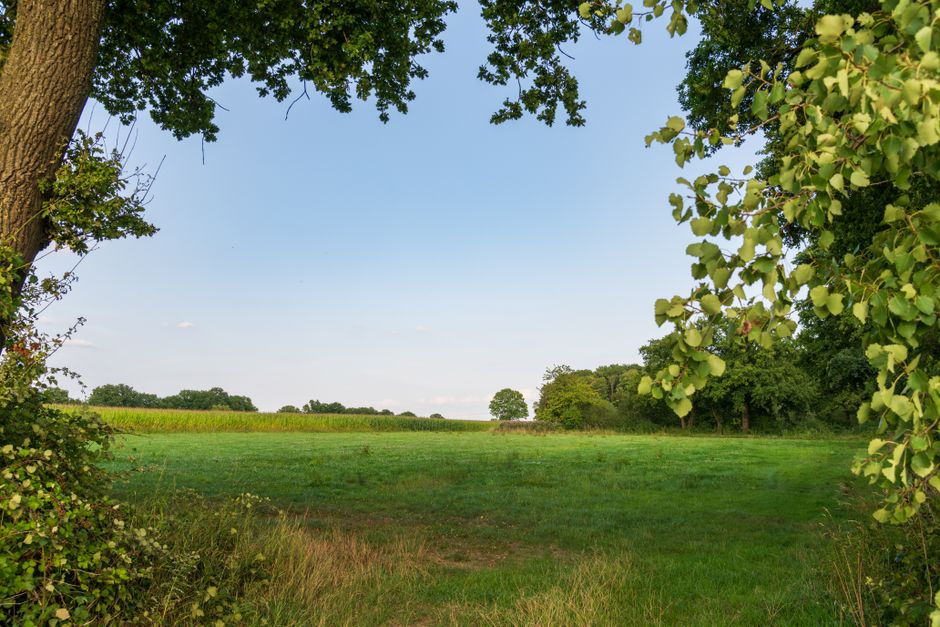
A vacant land equity loan is exactly what it sounds like: you borrow money using the equity in your raw or unimproved land as collateral, instead of using a house or other improved property. If you own land outright or have paid down a significant portion of it, you can tap that equity to access capital without refinancing an existing mortgage or putting your primary residence at risk.
This is a niche financing tool, but it's valuable if you're a real estate investor, developer, or business owner sitting on land you're not immediately developing. You get cash in hand. Your existing low-rate mortgage stays untouched. And you keep ownership of the land.
Here's what you actually need to know before you start shopping around.
Related: Bank Approval for Business Loans: What You Actually Need
How Vacant Land Equity Loans Work
The mechanics are straightforward. A lender evaluates the fair market value of your land, then offers to lend you a percentage of that value. Most lenders will advance 50-80% of the land's value, depending on how developed the land is and your creditworthiness.
Related: CCBank Loans for Small Business: What You Need to Know
Unlike a traditional home equity line of credit (HELOC), which taps the equity in an improved property, a land equity loan focuses purely on raw or vacant land. This distinction matters because lenders see raw land as riskier. There's no structure, no rental income, no immediate collateral that's easy to liquidate if you default.
You'll typically borrow between $10,000 and $100,000, though some lenders will go higher if your land value justifies it. The loan is secured by a lien against your land, meaning if you don't pay back the money, the lender can foreclose and sell the property to recover what you owe.
Interest Rates and Costs You'll Actually Pay
This is where vacant land equity loans diverge sharply from traditional mortgages. You're looking at interest rates somewhere in the 4% to 10% APR range, with many lenders clustering around 8-9.75% APR. Compare that to a standard 30-year mortgage at 5-6%, and you're paying a premium.
Why? Because lenders view raw land as a less stable collateral. There's no tenant paying rent. There's no building generating income. If the market tanks, your land value drops, and the lender loses security. That risk translates directly to your rate.
Beyond interest, expect to pay closing costs, which typically run 2-5% of the loan amount. You may also face an appraisal fee (usually $300-500), title search, and possibly origination fees. Some lenders charge prepayment penalties if you pay off early, so read the fine print carefully.
Down Payment and Loan-to-Value Ratios
Most lenders require a 20-30% down payment of your land's total cost, which is higher than what you'd pay on a traditional mortgage. If your land is worth $100,000 and a lender uses an 80% loan-to-value (LTV) ratio, you'd borrow $80,000.
The LTV ratio is critical. It's the percentage of your land's value that a lender will advance. Higher LTVs (75-80%) come with higher interest rates because the lender's risk exposure is greater. Lower LTVs (50-60%) typically earn you better rates, but you borrow less.
Your LTV depends on three things: the current market value of your land, how developed or developable it is, and your credit profile. Raw, undeveloped land in a rural area will get a more conservative LTV than a shovel-ready parcel zoned for commercial use near a growing city.
Related: Commercial Lending Real Estate: What You Need to Know
Related: Loan-to-Value Commercial Real Estate: What You Need to Know
Who Qualifies and What Lenders Actually Look At
Banks and credit unions won't touch most vacant land equity loans. Traditional lenders prefer the safety of improved property with clear income streams or owner-occupancy. That's why you'll need to work with alternative lenders who specialize in real estate investor financing.
Lenders evaluate you on:
- Credit score: Usually 620+, though 680+ gets you better rates. Bad credit doesn't disqualify you, but it costs more.
- Debt-to-income ratio: Lenders want to see that your total monthly debt payments don't exceed 40-50% of your gross monthly income.
- Reserves: How much cash you have sitting around. Lenders feel better about approving you if you've got 3-6 months of expenses in liquid reserves.
- Land documentation: Clear title, recent survey, and proof of ownership. If there are liens, easements, or title issues, the lender will factor that into their decision.
- Land value: A professional appraisal determines what the lender can safely lend against. Undeveloped land in desirable areas gets higher valuations than isolated parcels.
If you're a business owner looking to tap land equity for working capital or expansion, Aberdeen Financial Group LLC focuses specifically on lending to small and mid-sized business owners who don't fit the traditional bank mold. We review applications based on real business fundamentals, not just credit scores.
Where to Find Lenders Who Specialize in Land Equity
Your best options fall into three categories:
Agricultural lenders: Farm Credit and similar institutions sometimes lend on raw land, especially if it's in rural areas or has agricultural potential.
Credit unions: Smaller credit unions often have more flexibility than big banks. They may offer competitive rates if you're a member and have a decent relationship with them.
Specialized land loan providers: Mortgage companies and alternative lenders who focus exclusively on land financing. These outfits understand the nuances of raw property and move faster than traditional banks.
Don't just call one lender and accept their offer. Shopping around is critical. A 1% difference in interest rate costs you hundreds of dollars per year over the life of the loan. Get rate quotes from at least three lenders before you commit.
Comparing Terms and Flexible Loan Structures
Not all land equity loans are created equal. Some come with fixed rates (your payment never changes). Others have adjustable rates that move with the market. Some have 5-year balloons (you pay interest-only for five years, then the full balance is due). Others amortize over 10 or 15 years like a traditional loan.
Read each loan's details carefully. A lower headline rate might hide a balloon payment or variable adjustments that spike your rate in three years. You want terms that actually align with your plan for the land and your cash flow.
Ask every lender:
- Is the rate fixed or variable?
- How long is the term?
- Are there prepayment penalties?
- Can you make extra principal payments without penalty?
- Will the lender require you to maintain property insurance or keep the land in a certain condition?
How This Affects Your Existing Mortgages
One big advantage of a land equity loan is that it doesn't touch your primary mortgage. If you own your home free and clear or have a low-rate mortgage, you don't have to refinance. Your monthly home payment stays the same.
However, lenders will see the new debt when they pull your credit and review your debt-to-income ratio. If you're already carrying a lot of debt, adding a land equity loan will make you look riskier to future lenders. It could affect your ability to refinance your primary mortgage later or qualify for other loans.
Before you apply, do the math. Make sure the new monthly payment (interest plus principal) fits comfortably in your budget and doesn't push your debt-to-income ratio over 45-50%.
Raw vs. Improved Land: Why It Matters
Completely raw, undeveloped land gets the toughest lending terms. No utilities. No access. No zoning clarity. Lenders see maximum risk.
Improved land (utilities available, road access, clear zoning, or existing structures) gets better rates and higher LTVs. If your land already has infrastructure or is obviously developable, you're in a much stronger position.
If you own raw land and need capital for your business or operations, real estate investor loans from alternative lenders sometimes move faster and with fewer headaches than traditional banks. Most of us focus on backing business owners and developers who understand their collateral and have a plan.
The Application and Approval Timeline

Expect the process to take 2-4 weeks from application to funding, depending on the lender. Traditional banks take longer (30-45 days). Specialized land lenders move faster, especially if your documentation is clean.
You'll need:
- Completed application
- Proof of ownership (deed)
- Recent survey or property description
- Photos of the land
- Tax returns (usually 2 years)
- Bank statements (3-6 months)
- Explanation of how you plan to use the funds
- Title commitment or preliminary title report
Have these documents ready before you apply. That cuts weeks off your approval timeline.
Practical Tips Before You Borrow
Know your land's actual value. Get a professional appraisal or talk to a real estate agent who handles land sales in your area. Don't overestimate. Lenders will undervalue it conservatively anyway, but you want realistic expectations.
Clarify your use of funds. Lenders want to know if you're borrowing for business operations, development, or something else. Be honest and specific. If you're vague, you'll get questioned and delayed.
Review the agreement fine print. Land equity loans come with terms around property maintenance, insurance requirements, and what happens if the land's value drops. Understand those obligations before you sign. Agreement fine print matters more than most borrowers realize.
Plan your exit strategy. How do you pay this back? Selling the land? Using business profits? Developing and refinancing? Know your answer before you borrow. Vague plans lead to default.
If you're evaluating a land equity loan as part of a broader business financing strategy, Aberdeen Financial Group LLC works with business owners and real estate investors on creative capital solutions. We understand that not every borrower fits the traditional bank box, and we structure deals that make sense for your situation, not just for our approval checklist.
Key Takeaways
- Vacant land equity loans let you borrow 50-80% of your land's value at rates between 4-10% APR.
- You'll pay higher rates than traditional mortgages because lenders see raw land as riskier collateral.
- Specialized land lenders, credit unions, and agricultural lenders are your best sources. Traditional banks rarely do these deals.
- Expect to wait 2-4 weeks for approval and have your documentation (deed, survey, appraisal, financial records) ready upfront.
- Your existing mortgages stay unaffected, but the new debt shows up on your credit and affects your debt-to-income ratio.
- Compare rates and terms across multiple lenders. A 1% rate difference saves you real money over time.
People Also Ask
Can I get a land equity loan with bad credit?
Yes, but it costs more. Most lenders will work with credit scores as low as 620, though some want 680+. Bad credit can add 2-3% to your interest rate. Strong income, substantial reserves, and low debt-to-income ratio can offset a weak credit score.
What's the difference between a land equity loan and a land mortgage?
A land equity loan lets you borrow against equity you already have in land you own. A land mortgage is a primary loan used to purchase the land in the first place. Land mortgages typically have lower rates and longer terms because you're buying, not borrowing against existing ownership.
How long does it take to get funded?
Typically 2-4 weeks if you're organized and your documentation is clean. Specialized lenders move faster than traditional banks. Delays usually come from title issues, appraisal disagreements, or missing paperwork on your end.
Can I use a land equity loan for any purpose?
Most lenders allow you to use the funds for business operations, development, debt consolidation, or investment purposes. Some restrict use (no personal consumption, no down payments on primary residences). Ask upfront so there are no surprises.
What if my land value drops after I borrow?
You still owe the full amount. Some lenders have clauses that trigger if collateral value drops below a certain threshold, but most don't. Your obligation doesn't change. That's why understanding your land's real value before borrowing is so important.