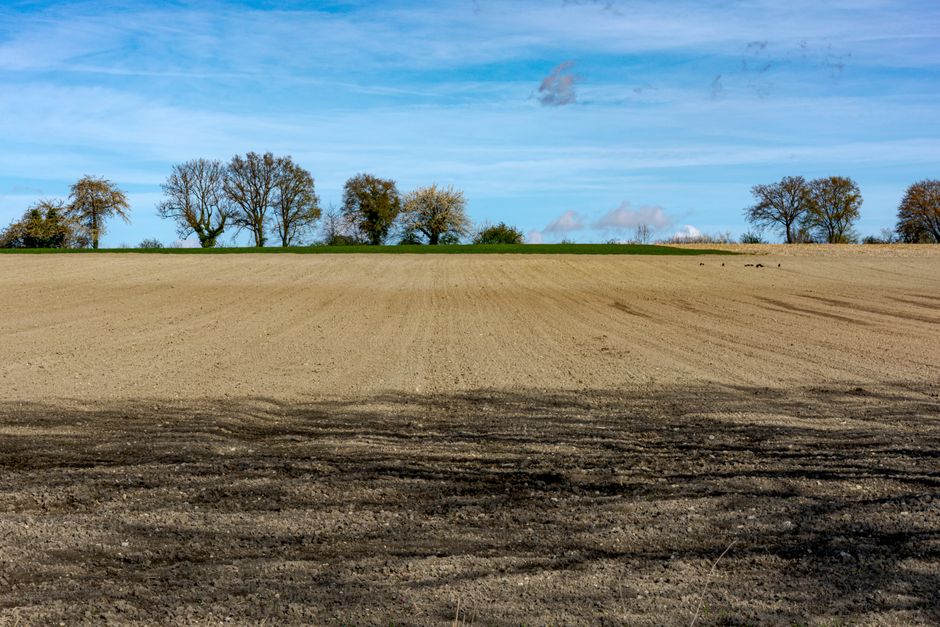
If you're looking to buy vacant land in Florida, traditional banks might give you the runaround. Vacant land is trickier to finance than improved property, and most mortgage lenders won't touch it. But loans for vacant land in Florida absolutely exist—and you don't have to jump through the same hoops the big banks demand.
You'll typically need to put down 35% or more, and lenders will expect you to build on the property within five years. The rates and terms are stricter than a traditional mortgage, but they're real, achievable options—especially if you work with lenders who specialize in real estate investor financing.
Let's walk through how this works and what you need to do to get approved.
Understanding Vacant Land Loan Basics
Vacant land loans are fundamentally different from mortgages on improved property. When you buy a house or a commercial building, the lender knows exactly what they're lending against. With raw land, there's no income stream, no rental history, and no immediate cash flow. That's why lenders are more cautious.
Related: Best Land Loans Near Me 2026: Top 5 Lenders Ranked
Most vacant land loans max out at 80% loan-to-value (LTV). Some lenders are stricter and require 40% to 50% down, so your down payment is usually the biggest hurdle.
Related: Vacant Land Equity Loans: What You Need to Know
Term lengths range from 10 to 25 years. Fixed-rate options are typically available up to 15 years, which gives you predictable payments. Beyond that, you might see variable or adjustable rates kick in, which means your payment could change over time.
What Lenders Want to See
When you apply for a vacant land loan, the lender isn't just looking at your credit score. They want to understand your plan for the property.
Your development timeline matters. Most lenders require you to intend to build within five years of getting the loan. They'll ask what you're planning to construct—a house, commercial building, subdivision, or something else—and they might want to see rough plans or a timeline. This shows them the land will eventually generate value.
Your cash reserves and credit history are critical. Because vacant land is riskier, lenders tighten their standards. You'll likely need a stronger credit profile and documented savings or liquidity. If you've been turned down by traditional banks, Aberdeen Financial Group LLC focuses on real estate investor loans and can evaluate your application based on your full financial picture, not just a credit score.
Property details matter, too. The location, size, zoning, and accessibility of the land all factor into the lender's decision. Land in a developed area with clear zoning for your intended use is easier to finance than remote or oddly-zoned parcels. The good news: there's no acreage limit, so whether you're buying a quarter-acre lot or a 100-acre tract, financing options exist.
Fixed vs. Variable Rates on Vacant Land Loans
You'll typically choose between a fixed rate and a variable rate. Fixed rates lock in your interest rate for the entire loan term (or a portion of it), so your payment stays the same. This is predictable and lets you budget reliably.
Variable or adjustable rates start lower but can change based on market conditions. If you're planning to develop and sell the land quickly, a variable rate might make sense. If you're holding long-term, a fixed rate protects you from future rate increases.
Most lenders cap fixed rates at 15 years, so if you want a 20-year loan, expect the back half to be variable.
Tax Advantages and Cost Considerations
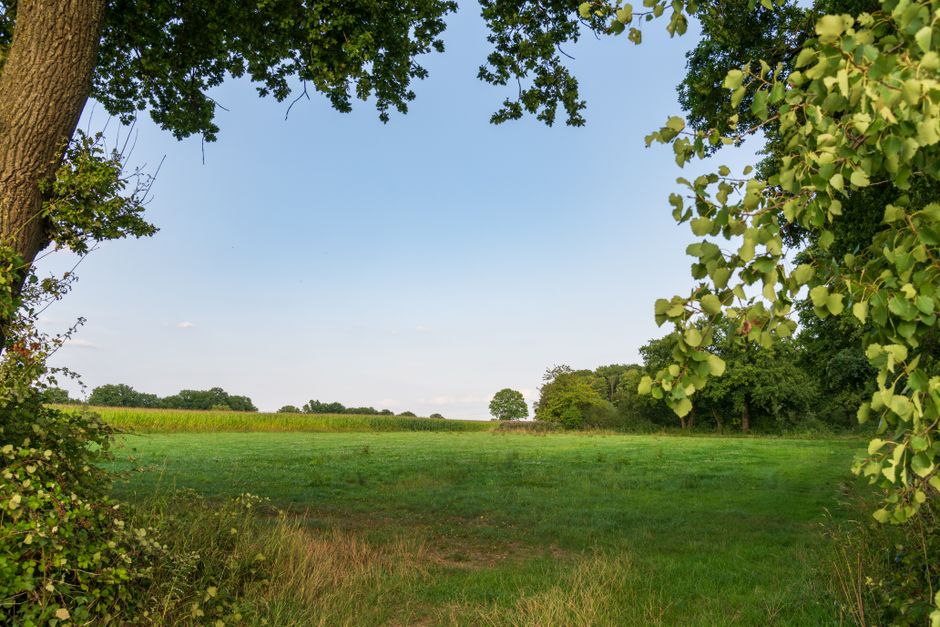
Florida offers some tax benefits for land buyers that can lower your overall cost of ownership. Documentary stamp taxes and intangible taxes may be exempt or reduced for certain land transactions—this varies by county and property type, so ask your lender or a Florida tax professional what applies to you.
The interest on a business or investment land loan is also tax-deductible, which can save money come tax time.
How to Get Approved for a Vacant Land Loan
Start by documenting exactly what you're buying and what you plan to do with it. Gather your deed or purchase agreement, property survey, and any development plans or sketches. If you have architectural drawings or a timeline for construction, include those too.
Next, organize your personal finances. Have your last two years of tax returns, recent bank statements, and a list of your assets and liabilities ready. Lenders want to see that you have skin in the game and the liquidity to cover your down payment and development costs.
Then find a lender who specializes in real estate investor financing. Traditional mortgage brokers often can't help—they're set up for conventional home loans. real estate investor loans from specialized lenders are faster and more flexible than what you'll find at a big bank.
Related: Who Loans Money on Land: Your Complete Guide to Land Financing
Be prepared to move quickly. Lenders who focus on real estate can approve and fund faster than traditional banks, but only if you're organized and responsive. Have your documentation ready, answer questions promptly, and be clear about your plan for the property.
What if You've Been Turned Down Before?
Banks reject vacant land loans all the time—it's just not their bread and butter. If you've hit dead ends with traditional lenders, don't assume you're unfundable. Specialized real estate lenders look beyond the standard mortgage playbook. They evaluate your experience as a developer or investor, your equity stake in the deal, and your ability to execute. Even if your credit isn't perfect or your cash reserves are modest, there's often a loan structure that works if you talk to the right lender.
Key Takeaways for Florida Vacant Land Loans
- Terms run 10 to 25 years, with fixed rates usually available for the first 15 years.
- Lenders want to see a clear plan to develop or build on the land within five years.
- Your down payment, credit profile, and assets matter more on raw land than on improved property.
- There's no acreage limit—financing works for any size parcel.
- Specialized lenders often approve faster and more flexibly than traditional banks.
If you're ready to move forward, start by collecting your documents and talking to a lender experienced in vacant land financing. Aberdeen Financial Group LLC handles real estate investor financing and can walk you through the process without the typical bank delays.
Common Questions About Vacant Land Loans in Florida
Can I get a vacant land loan with no construction plan?
Unlikely. Most lenders require you to intend to build within five years. If you're purely speculating or flipping land, some lenders will consider it, but expect stricter terms, higher rates, and a larger down payment. Be honest about your timeline with the lender—they'd rather know upfront than discover later that you have no development plan.
What credit score do I need for a vacant land loan?
There's no single magic number, but expect lenders to be more demanding than they are for regular mortgages. A score in the 680+ range helps, but lenders also look at your savings, income, experience, and the equity you're putting down. A lower score doesn't automatically disqualify you if your overall financial picture is strong.
How long does it take to get approved and funded?
Specialized real estate lenders can often approve and fund within 2 to 4 weeks, depending on how organized you are with your paperwork. Traditional banks can take 6 to 8 weeks or longer. Speed depends on your responsiveness and the lender's process—that's why working with a specialist who does this regularly matters.
Can I use a vacant land loan to finance land and construction?
Some lenders offer loans that cover both the land purchase and construction costs, structured as a land-construction or land loan. These are more complex and require detailed construction plans and contractor quotes. Ask your lender if they offer this type of financing—it's common among real estate-focused lenders but not typical mortgage brokers.