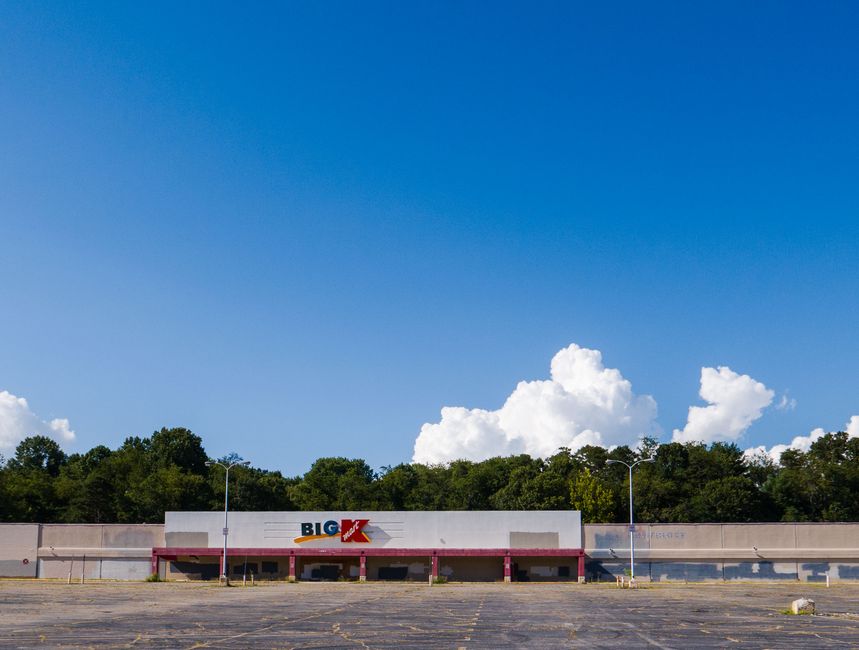
Business foreclosure happens when you can't pay back a loan and the lender takes the asset you put up as collateral to recover what you owe. It's not fun to talk about, but it's also not the end of the road if you understand what's happening and act fast.
The reality: improper cash management is the leading reason businesses end up in foreclosure. And while it feels like a total disaster, there are legitimate moves you can make right now to either prevent it or recover from it.
Let's walk through what foreclosure actually is, why it happens, and most importantly, how you can keep your business out of this situation.
Related: How the Credit Industry Actually Works for Business
Related: Property Line of Credit: How It Works for Business Owners
Related: What Is Land Credit? A Guide for Business Owners
Related: What Is Cash Escrow? A Business Owner's Guide
What Exactly Is Business Foreclosure?
Business foreclosure is the legal process a lender uses to recover money you owe by forcing the sale of an asset you pledged as collateral. That could be equipment, real estate, inventory, or anything else you put down to secure the loan.
When you sign a business loan agreement, you're essentially saying "if I don't pay, you can take this thing and sell it." Foreclosure is when the lender actually exercises that right.
Here's the key difference from personal bankruptcy: foreclosure targets a specific asset, not your entire business. The lender isn't trying to shut you down permanently. They just want their money back. That distinction matters because it opens up recovery options you might not realize you have.
Why Business Foreclosure Happens
The number one cause is cash flow problems. You took out a loan, but your business isn't generating enough consistent revenue to cover the monthly payments. It sneaks up on people because they're focused on growth or operations, not the numbers.
Other common triggers include:
- Missing loan payments (the obvious one)
- Violating loan covenants, like maintaining a minimum cash reserve or keeping debt below a certain ratio
- Personal emergencies that drain business cash reserves
- Market downturns that reduce revenue without reducing fixed costs
- Poor financial management or lack of accounting oversight
- Overextending with too many loans at once
Many new businesses fail within their first few years specifically because of cash management failures. You can have a solid product and good customers but still go down if you're not watching the money flowing in and out.
The Legal Process: What Actually Happens
Understanding the foreclosure timeline helps you know when to act. Here's how it typically unfolds:
- Payment defaults: You miss one or more loan payments. Most lenders will send notices and give you a grace period (usually 10-30 days).
- Notice of default: If you don't catch up, the lender formally notifies you that you're in breach of the loan agreement.
- Cure period: You have a set amount of time (30 to 90 days, depending on your loan terms) to bring payments current and avoid foreclosure.
- Foreclosure notice: If you don't cure the default, the lender files foreclosure paperwork with the court and sends you formal notice. This is public record.
- Asset seizure and sale: The lender takes possession of the collateral and either sells it at auction, through a broker, or keeps it as a recovery. The money goes toward your remaining loan balance.
- Deficiency: If the asset sells for less than you owe, you may still be liable for the difference (depending on your state and loan type).
The whole process can take anywhere from 60 days to several months. The faster you act once you see trouble, the more options you have.
How to Prevent Business Foreclosure

Prevention is always easier than recovery. Here's what you need to do right now:
1. Lock in strong cash flow management
This is non-negotiable. You need to know exactly how much money is coming in, when it's coming in, and when bills are due. Use accounting software (QuickBooks, Wave, FreshBooks, or similar) to track everything in real time. Don't wait for month-end statements to wake up to a problem.
2. Create a cash reserve buffer
Aim to keep 3-6 months of operating expenses in a separate account. This sounds hard, but it's your financial airbag. When revenue dips or an unexpected cost hits, you don't immediately default on loans.
3. Understand your loan covenants
Read your loan agreement carefully. Most lenders include covenants like maintaining a minimum debt-to-income ratio, keeping a minimum cash balance, or providing regular financial reports. Violating these can trigger foreclosure even if you're making payments. Get clarity on what you're required to do and build reminders to check them quarterly.
4. Communicate with your lender early
This is huge. If you see trouble coming, reach out to your lender before you miss a payment. Many lenders will work with you on a temporary payment adjustment, forbearance, or restructuring if you show good faith. Banks hate surprises. They'd rather help you stay current than deal with foreclosure.
5. Consider alternative financing before desperation hits
If you need working capital to stay afloat while your business stabilizes, working capital loans from lenders like Aberdeen Financial Group LLC move fast and don't require perfect credit. Getting ahead of a foreclosure with a cash injection is way smarter than waiting until the lender seizes your stuff.
6. Monitor your loan terms
Know your payment due dates, interest rates, and any triggers in your agreement. Set calendar reminders. Automate payments if possible so you never accidentally miss a deadline.
What to Do If Foreclosure Is Already Starting
If you've already received a notice of default, you're not out of options. Time is critical, but you have moves.
Cure the default immediately
If you have the cash, bring your loan current. That's the nuclear option that stops foreclosure dead. If you don't have the cash, move to the next step right now.
Negotiate a loss mitigation plan
This is where professional guidance matters. Loss mitigation consultants work with lenders on your behalf to restructure payments, extend terms, or reduce principal. Some lenders are surprisingly flexible if you approach them professionally.
Explore refinancing
This is tough because you're in default, but it's worth exploring. Some lenders specialize in working with businesses that have credit challenges or are under lender pressure. A refinance that pulls you out of default might be available if you shop around.
Consider a partial asset sale
If you have equipment, inventory, or other assets beyond what's pledged as collateral, you can sell them to raise cash to cure the default. It's not ideal, but it's better than losing the whole business.
Get legal advice
Foreclosure has state-specific rules. A business attorney who understands your state's laws can sometimes find delays, technical defenses, or restructuring opportunities you wouldn't find on your own. It's worth the consultation fee.
If you're facing this situation and need capital to prevent foreclosure, Aberdeen Financial Group LLC works with businesses that traditional banks have already turned down. Speed and flexibility are built into how they operate.
Related: What Is Alternative Business Financing? Definition & How It Works
Recovering After Foreclosure
Here's the good news: foreclosure doesn't have to mean the end of your business. Plenty of companies bounce back and thrive after losing an asset to foreclosure.
Your path forward depends on what you lost and why it happened. If the foreclosure was due to a temporary cash crunch, you can rebuild. If it exposed deeper problems in your business model, you'll need to fix those first.
Start with an honest post-mortem: what went wrong? Poor pricing? Seasonal revenue swings? Overhead too high? Personal spending eating into the business? Once you identify the real problem, you can address it instead of just repeating the same mistakes with your next loan.
Then you rebuild credit and cash reserves. It takes time, but it's absolutely doable. Focus on profitability over growth for a while. Get back to basics.
The Foreclosure Prevention Checklist

- Implement accounting software and track cash weekly, not monthly
- Build a 3-6 month cash reserve buffer
- Read and understand all loan covenants in writing
- Automate loan payments so you never miss a deadline
- Review financial statements with your accountant monthly
- Communicate early if you sense trouble coming
- Have a backup financing option in place before you need it
- Keep contact info for a business attorney handy
Can foreclosure be reversed?
Yes, if you catch it early enough. If you're in the default notice stage but haven't hit the auction stage, you can usually cure the default by catching up on payments, negotiating a modification, or refinancing. Once an asset has been sold at auction, it's too late to reverse that specific foreclosure, but you can still negotiate what happens with any deficiency balance.
Will foreclosure destroy my business credit?
It will ding your credit hard for a few years, but it's not permanent. Most lenders look at the whole picture. If you can show that foreclosure was a one-time situation and you've fixed the underlying problem, lenders like alternative funding providers will work with you. Your business can absolutely rebuild.
What's the difference between foreclosure and repossession?
Foreclosure is the legal process. Repossession is what happens during that process when the lender physically takes the asset. In business lending, the term "foreclosure" is more common, but both refer to the lender recovering collateral.
Can I keep my business running if an asset is foreclosed on?
Usually yes. If you lose a piece of equipment to foreclosure, you can replace it. If you lose real estate, you can find a new location or lease space. The business itself doesn't have to close unless the foreclosed asset was absolutely critical and irreplaceable. That's why identifying the root cash problem is so important, because once you fix that, the business can keep running.