
An escrow advance is a temporary loan from your lender that covers property taxes, insurance, and other escrow-related expenses when your escrow account doesn't have enough cash to pay them. Think of it like a safety net: when the account balance goes negative because bills are due, your lender fronts the money to make sure payments stay current. You'll repay the advance through your regular monthly escrow payments over time.
How Escrow Advances Actually Work
Here's the step-by-step reality. Your lender sets up an escrow account when you get financing tied to real property. Every month, you pay a set amount into that account alongside your loan payment. That money sits there, waiting to cover things like property taxes, homeowners insurance, HOA fees, or other obligations.
The problem? Estimated costs change. Property taxes spike. Insurance premiums jump 20%. Suddenly, the money you've been paying in isn't enough to cover what's due. When a bill comes and your escrow balance can't cover it, your lender issues an escrow advance to pay the bill on time.
You don't get a separate check or a new loan agreement. Instead, the lender covers the shortage and adds it to your escrow account balance. Then you start paying it back through higher monthly escrow deposits until the account is back in the black. It's straightforward, but it does mean your monthly payment goes up temporarily.
Related: How to Read Agreement Fine Print: A Business Owner's Guide
When Do Escrow Advances Happen?
Most escrow advances happen because of cost inflation. Property tax reassessments are the #1 culprit. Your local government revalues your property, taxes go up, and boom—your old monthly escrow payment isn't enough anymore.
Insurance is the second big one. If your property insurance gets more expensive (weather damage claims in your area, market rates climbing, policy upgrades), the escrow account balance shrinks faster than expected.
It can also happen if there's a calculation error on the lender's side, or if you missed payments earlier and now there's a backlog. The key point: escrow advances are almost always reactive, not planned.
Why Your Annual Escrow Statement Matters
Here's where you take control. By federal law, your lender sends you an annual escrow statement that shows exactly what's in the account and what's projected to go out over the next 12 months. This is your roadmap for avoiding surprises.
When you get that statement, don't ignore it. Compare the projected costs to what you know about your property taxes and insurance. If you see a big jump coming, you can either brace for higher monthly payments or reach out to your lender proactively.
Some lenders will let you make a lump-sum payment to bring the escrow account balance up if you want to avoid monthly increases. It's worth asking about. The goal is to stay ahead of the problem instead of having your lender issue an advance and surprise you with a rate hike.
The Difference Between Escrow Shortages and Overages

An escrow shortage is when the account balance goes negative—money owed that isn't covered. An escrow overage is the opposite: you've been paying in more than needed, and there's extra sitting in the account.
If you have an overage, your lender may offer to reduce your monthly payment, refund the surplus, or just leave it there as a buffer. Shortages, on the other hand, get covered by an advance and then paid back through higher monthly payments.
Neither situation is a crisis. They're both just the system adjusting to reality.
What This Means for Your Loan Payments
Here's the honest part: when an escrow advance happens, your monthly payment typically increases. Not forever, but for as long as it takes to pay back the advance. That could be 12 months, 24 months, or longer depending on the size of the shortage and your current payment schedule.
If you're already tight on cash flow, this can be painful. That's why it matters to monitor your escrow statement every single year. If you see a spike coming, you can prepare mentally and financially.
For business owners managing multiple properties or loans, escrow advances can add up quickly. If you're carrying high debt loads or running a thin operating margin, the sudden payment increase could strain your business. Aberdeen Financial Group LLC works with small to mid-sized business owners who understand these kinds of surprises all too well—that's exactly why flexible financing structures matter when you're growing a company.
Related: TBO Bank Loans vs. Alternatives 2026: Where Business Owners Actually Get Approved
How to Avoid Escrow Advances (Or Minimize Them)
Smart move #1: ask for an escrow cushion. Many lenders allow you to maintain a 1-2 month buffer in the account. That small cushion absorbs inflation and timing mismatches without triggering an advance.
Smart move #2: review your escrow statement quarterly, not just annually. If you notice trends (taxes climbing, insurance creeping up), you can have a conversation with your lender early.
Smart move #3: make a voluntary escrow payment when you have extra cash. If your business has a strong quarter and you've got breathing room, throw an extra payment at the escrow account. It's the easiest way to get ahead.
Smart move #4: shop your insurance every 2-3 years. Even small premium reductions help. Same with property taxes—if your county assessment seems wrong, appeal it. These aren't flashy moves, but they work.
Escrow Advances vs. Other Types of Advances
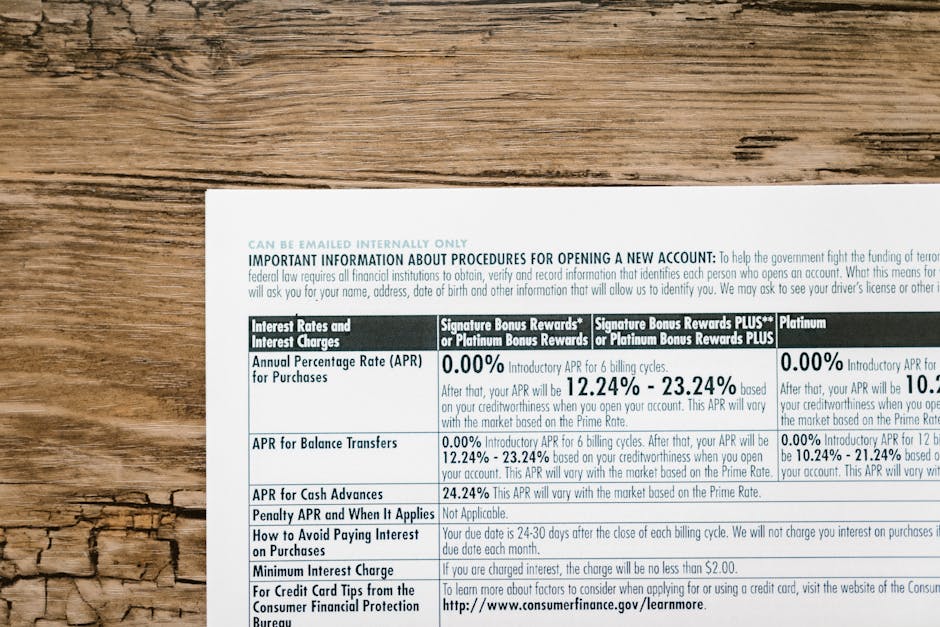
Don't confuse an escrow advance with a working capital loan or other business financing. An escrow advance is narrowly focused: it covers one specific account tied to one specific property loan.
If you're a real estate investor managing multiple properties or a business owner who needs cash for operations, equipment, or restructuring, those are different conversations entirely. Escrow advances are maintenance—they keep existing accounts on track. Aberdeen Financial Group LLC specializes in financing solutions for business owners who need capital beyond the standard escrow cycle—equipment buys, expansion, working capital crunches, and real estate acquisitions.
Key Takeaway on Escrow Advances
An escrow advance is your lender's way of keeping your property taxes and insurance paid on time when there's a shortfall. It's not a penalty or a surprise loan—it's automatic, required by law, and repaid through your regular monthly payments. The key to staying calm is simple: read your annual escrow statement, catch trends early, and communicate with your lender before problems hit.
For business owners managing multiple loans or properties, staying on top of escrow details is just one piece of a bigger financial picture. Understanding all your obligations—and having a financing partner who explains things clearly—makes the difference between smooth operations and constant firefighting.
Frequently Asked Questions
What happens if I don't pay an escrow advance?
You can't really refuse an escrow advance. Your lender will advance the funds to pay taxes and insurance on time (they're legally required to do so), and then the amount gets rolled into your escrow account as a balance you owe. You'll pay it back through increased monthly escrow payments. If you refuse to pay the higher monthly amount, you're essentially defaulting on your loan.
How long does it take to pay back an escrow advance?
It depends on the size of the advance and your monthly escrow payment. A small advance might be paid back in 6-12 months. A larger one could take 24 months or more. Your lender will typically spread the repayment evenly across remaining months in the escrow year.
Can I request a larger escrow cushion to avoid advances?
Yes. Many lenders allow you to maintain a 1-2 month reserve in your escrow account. Ask your lender directly. This isn't free—you'll need to pay the extra upfront—but it's one of the smartest ways to avoid future advances and the payment increases that come with them.
Is an escrow advance the same as a loan?
Legally and technically, yes—it's a short-term advance of money you'll repay. But it's not the kind of loan you apply for separately. It's automatic and built into your existing loan agreement. There's no approval process. Your lender just advances the money when needed and adjusts your monthly payment to recover it.