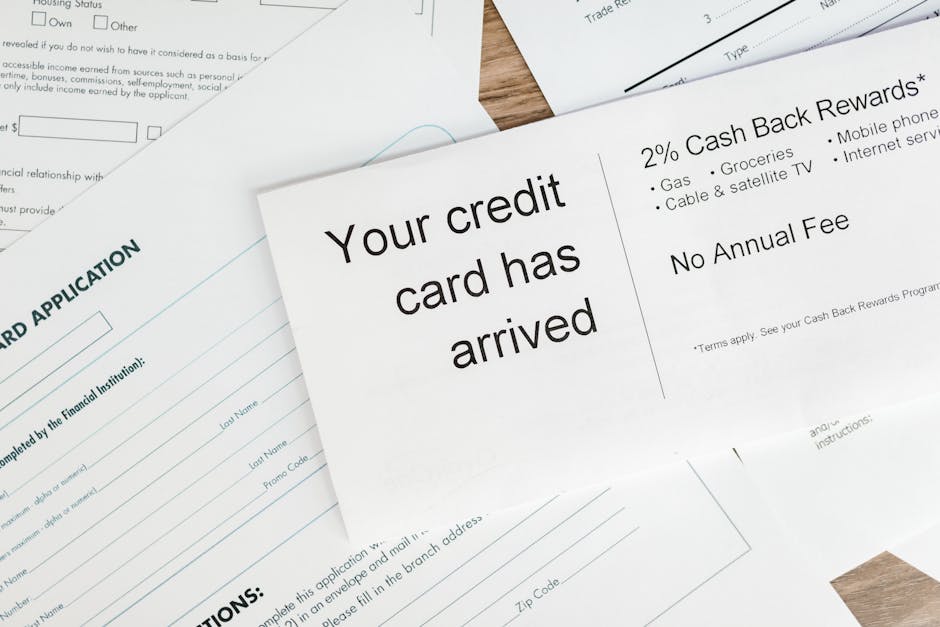
You can get approved for a business loan even if your credit score is under 600. Most alternative lenders focus on your business health and cash flow instead of just your personal credit history. If you've been turned down by traditional banks, there's still a real path forward.
The key difference: banks obsess over credit scores. Alternative lenders look at your actual business performance. That's why Aberdeen Financial Group LLC and similar finance partners can say yes when the bank says no.
Related: Fast Alternative Business Loans Miami Low Credit Score
Related: Credit Financial Services for Small Business Loans
How Quick Approval Business Loans Actually Work
Quick approval loans under 600 credit are designed to move fast. You apply online, submit minimal paperwork, and get a decision in hours, not weeks.
Here's the basic timeline: submit your application in the morning, get preliminary approval by afternoon, and see funds hit your account within 2 business days. Some lenders approve in as little as 4 hours.
No collateral required at many lenders. No upfront costs. You don't have to put up equipment, inventory, or real estate just to prove you're serious. The lender's risk comes from your business revenue, not what you own.
The application process takes minutes. You answer questions about your business, revenue, time in operation, and current situation. Upload a few documents (bank statements, tax returns, proof of income). That's it. No 30-page questionnaire. No endless phone tag.
What Lenders Care About When Your Credit Is Under 600
Lenders still want to understand your risk. But they're not betting the farm on a three-digit number. Here's what actually matters.
- How long you've been in business: Most lenders require at least 6 months in operation. Some go as low as 3 months if your cash flow is solid. A brand-new startup is tougher to approve, but not impossible.
- Your current business revenue: This is the #1 thing. If your business brings in consistent cash, lenders see you as lower risk. They're checking your bank deposits and business income, not your personal credit card debt.
- How you've handled past debt: If you defaulted on a loan or filed bankruptcy, lenders notice. But they also understand that circumstances change. A rough patch three years ago isn't the same as a recent default.
- Industry and stability: Some industries (construction, transportation, healthcare, restaurants, manufacturing, real estate investing) have more lending options than others because lenders understand the cash flow patterns.
- Why your credit is low: Late payments hit harder than medical debt or a past divorce. Lenders usually understand context.
Your credit score gets checked, but it doesn't automatically disqualify you. Think of it as one data point among many, not the whole picture.
Loan Amounts You Can Actually Get
Quick approval loans under 600 credit can range from a few thousand dollars up to $500,000 or more, depending on your business size and revenue.
A few lenders will go higher for mid-sized operations.
The amount you qualify for depends entirely on your revenue and time in business. A food truck doing $80,000 a year gets approved for less than a construction company bringing in $500,000 annually. That's just math.
Types of Quick Approval Loans for Bad Credit Borrowers

You have options beyond a straight term loan.
Term loans: You borrow a lump sum and repay it over a fixed time (6 months to 5 years). Predictable payments. Simple structure.
Lines of credit: You get access to a credit line and draw what you need when you need it. Flexible. You only pay interest on what you actually use. Perfect if you need cash occasionally but not a big lump sum.
Working capital loans: Designed specifically for cash flow gaps. You need money fast to cover payroll, inventory, or seasonal slowdowns. Working capital loans get you approved and funded quickly because lenders know your business generates the revenue to pay it back.
Equipment Leasing & Financing" class="text-accent underline underline-offset-2 hover:text-gold-light">Equipment financing: If you need to buy or upgrade equipment, equipment leasing or equipment loans are faster to approve because the equipment itself backs the loan. The lender can repossess if something goes wrong, so they're more willing to lend.
Real estate investor loans: If you're buying rental properties, flipping houses, or building a portfolio, real estate investor loans are structured differently than standard mortgages. Faster approval, more flexible terms.
What Documentation You'll Actually Need
Here's what you're usually asked to provide. It's short compared to a bank application.
- Your business bank statements (last 2-3 months)
- Personal or business tax returns (last 1-2 years)
- Proof of business income (if self-employed or 1099)
- ID and proof of address
- A quick rundown of what you'll use the money for
That's the core list. Some lenders ask for more depending on your situation. The whole document collection takes an hour or two, not weeks.
No collateral paperwork needed if you're not using collateral. No appraisals. No home inspections. No endless legal fees.
Why Your Application Gets Denied (And How to Avoid It)
You can get quick approval, but you can also get quick rejection. Here's what actually kills applications.
- Too new: Less than 3-6 months in business. Lenders see startup risk. Solution: wait if you can, or look for lenders with shorter minimums.
- Revenue too low: Your business makes $5,000 a month, but you're asking for $50,000. The numbers don't support the loan. Solution: borrow less or wait until revenue grows.
- Inconsistent deposits: Your bank account has one $20,000 deposit followed by three months of nothing. Lenders see unstable cash flow. Solution: apply when your business has steadier income, or explain the situation (seasonal business, big project you closed).
- Recent bankruptcy or default: Filed Chapter 7 two months ago or defaulted on a loan last month. Too fresh. Solution: wait 6-12 months for the wound to heal, or find a lender that specializes in fresh starts.
- Wrong industry: Some lenders avoid high-risk industries. Solution: shop around. Different lenders have different comfort zones.
- No business bank account: You're running your business out of your personal checking account. Red flag for lenders. Solution: set up a business account and run money through it for 2-3 months before applying.
Speed vs. Other Options: Is Quick Approval Right for You?

Quick approval loans cost more than a bank loan. The interest rate is higher because the risk is higher and the lender can't take as long to evaluate you.
Is it worth it? Depends on your situation.
If you need cash to make payroll Friday and a bank will take 3 weeks to decide, quick approval isn't a luxury. It's survival. If you can wait and rebuild credit to qualify for a bank loan, that might save you money.
Most business owners in your position choose quick approval because they need the money now, not in 30 days. A slower, cheaper loan doesn't help if your business falls apart waiting for approval.
The cost of delay (missing opportunities, payroll gaps, losing customers) is often higher than the cost of the loan itself.
Next Steps: Actually Getting Approved
Start by getting your business financials together. Pull your last 2-3 months of bank statements. Dig up your tax returns. Know your business revenue for the last year.
Get clear on what you need the money for. "Working capital" is fine.
Be honest about your credit score and any past issues. Lenders find out anyway. A lender respects honesty and context more than a lender who gets surprised.
Apply with lenders who work with your industry and credit situation. Aberdeen Financial Group LLC focuses on small to mid-sized businesses in construction, restaurants, healthcare, transportation, manufacturing, and real estate investing. If that's you, they can give you a straight answer on approval odds.
Prepare for multiple questions in the first call. Lenders want to understand your business, not just your score. They'll ask about revenue trends, what you'll spend the money on, how you'll repay it. Have those answers ready.
Don't apply to 20 lenders at once. Multiple hard inquiries tank your credit temporarily. Apply to 2-3 lenders you think are the best fit, get decisions, then decide.
Review the agreement fine print before you sign. Understand the rate, the repayment schedule, any fees, and what happens if you miss a payment. No surprises.
Can I get a business loan with a credit score of 580?
Yes. Most lenders that offer quick approval will work with credit scores as low as 550-600. Below 550 gets harder, but not impossible. Your business revenue and how long you've been operating matter more than the exact number at that point.
How fast can I actually get funded?
Best case: 4 hours to approval, 2 business days to funding. Real world: 1-2 business days to approval, 3-5 business days to funding. Some lenders are slower. Ask upfront what their timeline is and push for speed if you need it.
Will applying for a quick approval loan hurt my credit score?
The initial application usually causes a small, temporary drop (a few points). If you're approved and take the loan, your score might dip a bit more at first because you're borrowing money. Over time, as you make on-time payments, your score can improve. The real damage comes if you default, so focus on repaying on time.
What if I get denied?
Ask why. If it's timing (too new in business), wait a few months and reapply. If it's revenue (not enough income), focus on growing sales. If it's a recent default, wait 6-12 months. If it's an error on your credit report, dispute it. Don't just move on. Understand the reason so you can fix it.