
Property loans for land are designed to help you buy vacant or undeveloped property that you plan to build on or develop later. Unlike a standard mortgage, a land loan is a separate beast entirely—and understanding how they work will save you time and money.
The reality is simple: banks make money on occupied, income-producing properties. Raw land doesn't produce income until you develop it. That's why land loans come with stricter terms, higher interest rates, and more scrutiny than you'd see on a home or commercial building. If you're a business owner or real estate investor looking to acquire land for future development, here's what you need to know.
What Are Property Loans for Land?
A property loan for land is financing that lets you purchase undeveloped real estate. You might use it to buy acreage for a future commercial project, a development site for residential units, or raw land you plan to improve and resell.
Related: Best Industrial Property Loans 2026: Top 5 Ranked
Related: Best Commercial Property Loans 2026: Top 5 Lenders Ranked
The key difference: most traditional lenders are uncomfortable with land because there's no immediate cash flow or collateral value beyond the dirt itself. That's why the terms are different from what you'd get on a completed building. You'll typically face a higher down payment requirement, a shorter loan term, and interest rates that are 1-2 percentage points above a standard commercial loan.
If you're getting rejected by traditional banks and need capital fast for land acquisition, that's exactly where alternative lenders step in. Aberdeen Financial Group LLC works with business owners and real estate investors who've hit a wall with conventional financing.
Down Payment Requirements for Land Loans
Here's what you need to have ready: most lenders want between 15% and 35% down, depending on how developed (or undeveloped) the land is.
The breakdown is straightforward. If the land has utilities, road access, and has already been surveyed or platted, lenders feel more confident and may accept 15-20% down. If it's completely raw—no utilities, no surveyed boundaries, no clear development plan—expect to put down 25-35%.
Some lenders will ask for 20-30% as a middle ground. The exact number depends on your specific property and your lender's risk tolerance. The more developed the land or the stronger your development plan, the lower your down payment can be.
Credit Score and Income Requirements
Most traditional lenders want to see a credit score of 700 or higher. That's the baseline they use to decide whether to even look at your application.
But here's what matters more than your credit score: your ability to show you can actually develop this land. Lenders want to see a solid business plan or development timeline. They also want proof of income and business stability. If you're self-employed or your business finances are complicated, you'll need documentation that clearly shows your ability to repay.
If your credit is below 700 or your conventional lender said no, don't stop there. Alternative financing partners exist specifically for situations like yours. Many real estate investors and business owners work with real estate investor loans from lenders who understand development scenarios and aren't as rigid about credit scores.
Interest Rates and Loan Terms
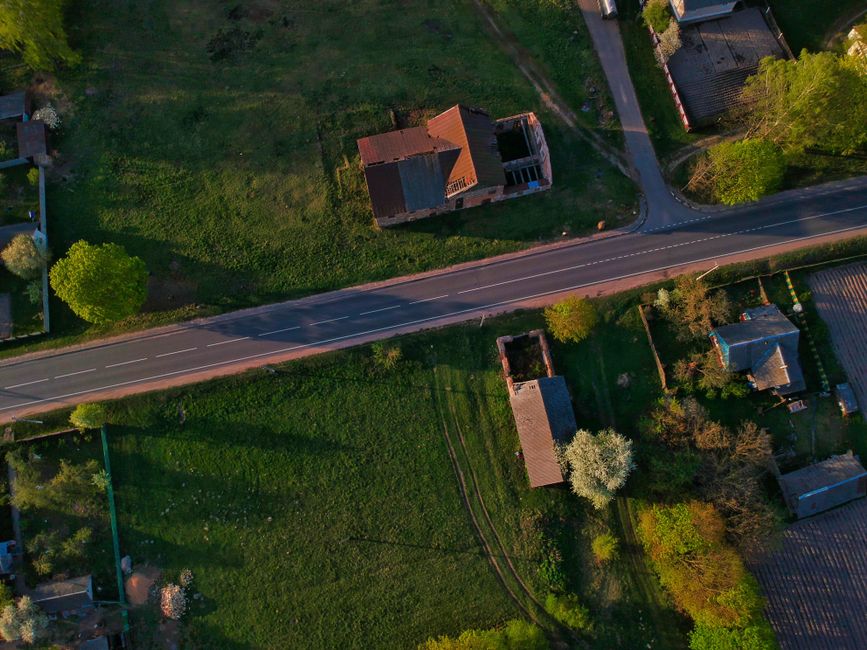
Land loan interest rates are higher than standard mortgages or commercial loans. You're not borrowing on a completed income-producing asset, so lenders price in extra risk.
Loan terms for land typically range anywhere from 12 months to 5 years, though some lenders offer longer periods. Shorter terms mean higher monthly payments but lower total interest cost. Longer terms spread payments out but cost you more in interest over time.
The exact rate and term depend on the property's development status, your credit profile, your down payment size, and market conditions. The best way to know what you'll qualify for is to talk directly with a lender who specializes in this—not a loan officer at a bank whose computer says "land = decline."
Documentation You'll Need
Land loan applications require more paperwork than you might expect. Here's what to gather before you apply.
- Property details: A survey, title report, and site plan showing utilities, access, and any restrictions.
- Business financials: Last 2-3 years of tax returns, profit and loss statements, and balance sheets.
- Development plan: A timeline and rough budget for what you'll build or develop on the land.
- Personal financials: Bank statements, personal tax returns, and proof of liquid assets if you're an owner-operator.
- Credit authorization: Permission to pull your credit and employment verification.
The more thorough your documentation package, the faster your application moves. Lenders want confidence that you own what you say you own and that you can execute your plan.
Land Development Status Matters
Not all land is created equal in the eyes of a lender. Development status directly affects your borrowing power and your interest rate.
Raw land: No utilities, no road access, no surveyed boundaries. This is the hardest to finance. Down payments are highest, rates are steepest.
Partially improved land: Utilities may be nearby or partially installed. Road access exists. This is easier to finance than raw land but still carries higher rates than developed property.
Developed land: Utilities are installed and active. Roads exist. Zoning is clear. This is the easiest to finance and gets you the best rates.
If your lender won't budge on a piece of raw land, talk to someone who specializes in real estate development scenarios. That's exactly what Aberdeen Financial Group LLC focuses on with business owners and investors in the construction and real estate development space.
Government-Backed Land Loan Programs
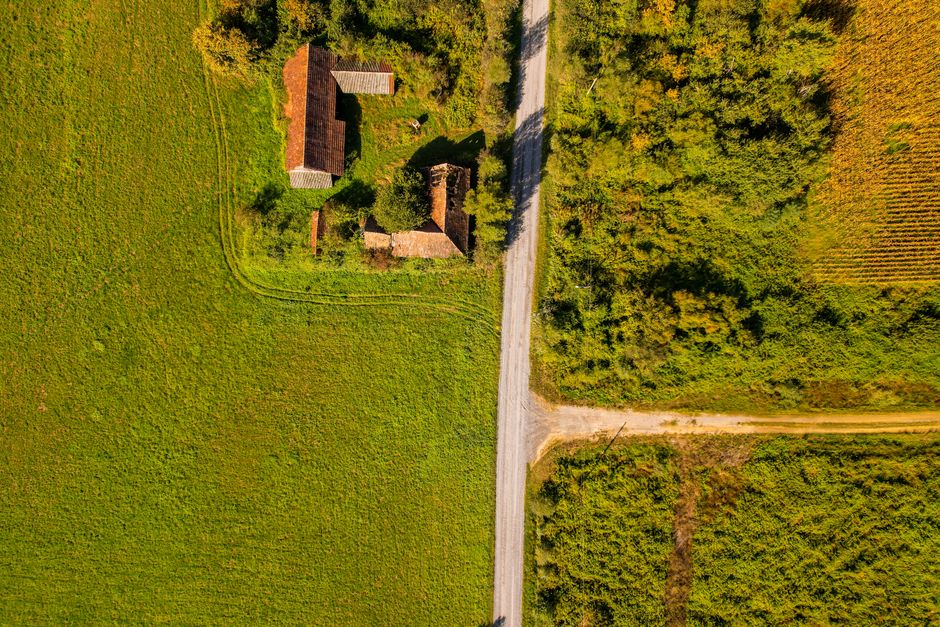
If you're buying land to build housing for low to moderate-income families, federal programs exist to make that financing easier. Section 523 and Section 524 loans are specifically designed for this purpose.
These programs offer better terms, lower down payments, and longer repayment periods than conventional land loans. If you're developing affordable housing, ask a lender whether your project qualifies. You may unlock financing options that aren't available on standard commercial land purchases.
Why Traditional Banks Say No to Land Loans
You might be wondering why your bank wouldn't just fund a land purchase. The answer is simple: it's in their rulebook.
Banks operate under strict lending guidelines. They prefer finished assets with rental income or sale history. Land has neither. Banks also face regulatory pressure to avoid concentration risk—too many raw land loans on their books makes regulators nervous.
That's not your problem to solve. Your job is to find a lender who actually wants to fund land deals. Alternative lenders, private equity-backed companies, and specialty real estate finance firms exist because banks create this gap. If you're looking for a partner who will actually say yes, Aberdeen Financial Group LLC handles land financing for real estate investors and business owners across the northeast.
Steps to Apply for a Property Loan for Land
1. Know your numbers. Calculate exactly how much land you need and what your development budget is. Lenders will ask for both.
2. Gather documentation early. Collect your tax returns, bank statements, business financials, and property details before you start applications. This speeds everything up.
3. Get the property surveyed and titled. A clear title and survey report are non-negotiable. This is your proof of ownership and boundaries.
4. Write a development plan. A one or two page outline of what you'll build, when, and how much it will cost matters more than you think. Lenders want to see you've thought this through.
5. Apply with the right lender. Don't waste time with banks. Go straight to lenders who specialize in land and real estate development. They move faster and understand your scenario.
6. Lock in your rate and terms. Once you're approved, get everything in writing. Review the agreement fine print carefully so you know exactly what you're committing to.
People Also Ask
Can you get a land loan without 20% down?
Yes, but it depends on your lender and the property's development status. Some lenders will accept 15% down on partially improved land or if you have very strong financials and credit. However, raw land almost always requires 20-30% down. If you can't put down that much, you need a lender willing to work with your situation—a traditional bank won't budge.
How long does it take to close a land loan?
Timeline varies wildly. Banks can take 60-90 days or longer because of their bureaucracy. Alternative lenders often move faster—sometimes 2-4 weeks. It depends on how complete your application is and how straightforward the property is. The smoother your paperwork, the quicker you close.
What if I want to flip the land after I buy it?
Lenders don't mind, but they'll want to see your exit strategy. If you're planning to hold the land short-term and resell it, document your analysis of market value, comparable sales, and your timeline. Some lenders offer shorter-term loans specifically for this purpose, though the rates may be higher.
Do I need a detailed construction plan before applying?
Not necessarily a detailed one, but you need a credible outline. Lenders want to know you're not just buying land to sit on it. A basic timeline and rough budget showing what you'll develop and when is usually enough to move forward. The more professional your plan looks, the faster approval happens.