
Land financing is a loan designed specifically to help you buy vacant or undeveloped property, whether you're planning to build on it now or hold it for future development. Unlike traditional mortgages, land loans come with their own set of rules, down payment expectations, and approval criteria because raw land doesn't have the same income-generating or collateral value as an occupied property.
If you're a real estate investor or business owner looking to expand into new territory, understanding how land financing works can save you time and frustration. Let's walk through what you need to know.
What Exactly Is Land Financing?
Land financing is a loan product specifically built for purchasing undeveloped or vacant property. The property you're buying might be farmland, pasture, raw acreage, or a lot you plan to develop later.
Related: Bare Land Financing: How to Get a Loan for Raw Land
The lender is taking on more risk than they would with a traditional real estate loan because the land itself doesn't generate income and can't be easily repossessed or resold. That's why lenders typically require you to put down more money upfront and may charge slightly higher interest rates.
The good news: land loans are still available, and Aberdeen Financial Group LLC works with real estate investors who need capital fast and want straightforward terms.
Down Payment Requirements for Land Loans
Expect to have 20 to 30 percent of the total property cost ready as a down payment. Some lenders might ask for even more depending on the property type, location, and your financial profile.
This higher down payment protects the lender because raw land appreciates more slowly than developed property and is harder to sell quickly if something goes wrong. It also shows the lender you're serious and have skin in the game.
If you're tight on cash but still need to move forward, ask about flexible payment structures when you apply. Every situation is different.
Typical Loan Amounts and Terms
Most land loans come with fixed-rate options, which means your payment stays the same throughout the life of the loan. That predictability helps with budgeting and makes it easier to plan your development timeline.
Related: 100% Land Financing: No Down Payment Options Explained
Terms can be structured to fit your situation. Whether you need a short-term bridge loan or a longer repayment window, lenders who specialize in real estate can work with you on the details.
Interest Rates: What to Expect
Land loan interest rates typically run 1 to 1.5 percentage points higher than standard loan rates. That premium reflects the extra risk the lender is taking on.
Your exact rate will depend on several factors: the size of your down payment, your credit profile, the property location, and current market conditions. A bigger down payment often gets you a better rate because it lowers the lender's risk.
When comparing lenders, focus on the total cost of borrowing, not just the rate. A slightly higher rate with better terms or faster approval might be worth it depending on your timeline.
Property Requirements and Lender Approval
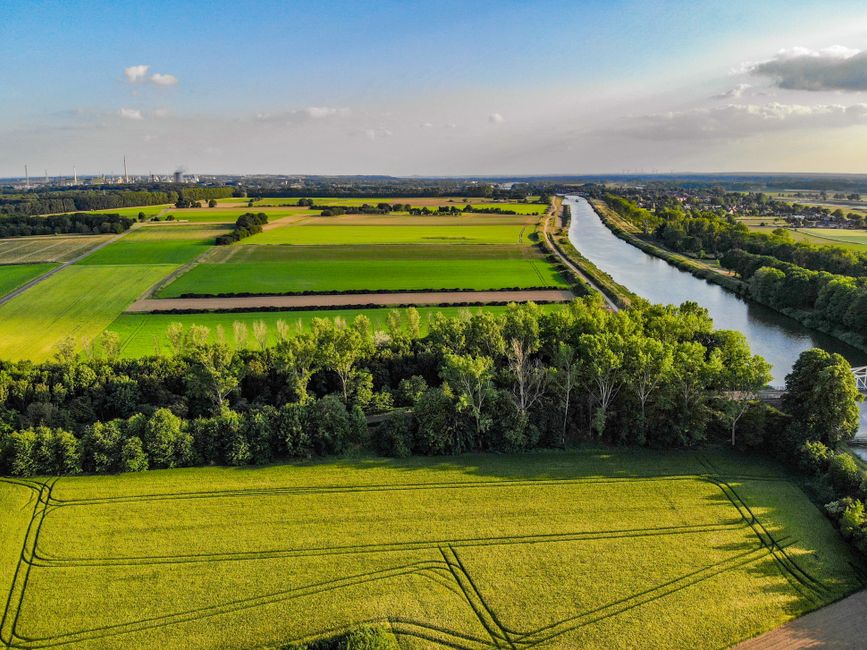
Not all raw land qualifies. Lenders have specific requirements the property must meet, and those requirements vary by lender.
Generally, lenders want to see:
- Clear title and no major liens or disputes
- Property in a location with reasonable market value and resale potential
- Access to utilities or a realistic plan to get them
- No environmental red flags or contamination issues
Before you apply, get the property surveyed and run a title search. Have zoning information and any development plans ready to share. The more prepared you are, the faster the approval process moves.
The Application Process
Most lenders now offer both online and in-person application options, so you can choose what works for your schedule.
You'll need to provide standard financial documents: recent tax returns, bank statements, and a clear picture of your income and existing debt. You'll also need to submit details about the property itself: the address, purchase price, your down payment amount, and what you plan to do with the land.
Approval timelines vary. Some lenders move quickly, especially if you have strong financials and a clean property. Others take longer because land loans require more due diligence. If speed is critical for your business, mention that upfront when you're shopping around.
Fixed-Rate Benefits and Payment Predictability
One of the biggest advantages of a fixed-rate land loan is knowing exactly what your payment will be every month for the entire loan term.
This matters because it helps you project cash flow, plan your development budget, and avoid surprises. You won't wake up to a payment spike if interest rates rise in the market.
When you're evaluating loan offers, always compare the fixed rate, the term length, and any fees. Aberdeen Financial Group LLC provides clear agreement fine print so you understand exactly what you're signing up for.
Flexible Payment Options
Lenders who work with real estate investors understand that different projects have different timelines. That's why many offer flexible payment options.
Some loans let you make interest-only payments initially, then switch to principal-and-interest payments later. Others allow seasonal adjustments if your business is cyclical. A few might even defer payments for a short period if you're in the middle of a major project.
The key is asking about these options during the application process. Don't assume every lender works the same way. If your situation is unique, find a lender who can adapt.
Land Financing vs. Traditional Mortgages
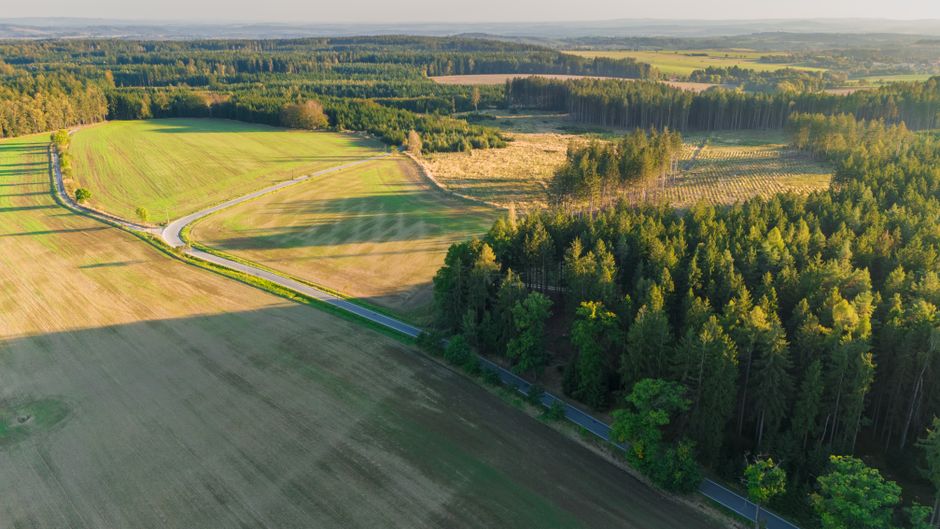
Land loans and traditional mortgages are not the same thing, and it's important to understand the difference.
A traditional mortgage finances a house or building with occupants and income potential. The lender can easily value and resell the property. A land loan finances raw land with no structure, which is riskier and harder to value.
That's why land loans typically require a bigger down payment, charge higher rates, come with stricter approval requirements, and may have shorter terms. If you've been rejected for a traditional mortgage, land financing might still be an option because different products have different lending criteria.
When to Consider Land Financing
Land financing makes sense if you're:
- A real estate investor building a portfolio of development-ready properties
- A business owner expanding into a new territory and need to own the property
- Someone who wants to hold agricultural land or acreage long-term
- A developer assembling parcels for a larger project
If you've been turned down by traditional banks or need capital quickly, alternative lenders who specialize in real estate investor loans can often say yes when big banks say no.
How to Get Started
First, know your budget. Calculate how much you can put down (20 to 30 percent is standard) and what total property price that supports.
Next, get your financial paperwork organized. Have your last two years of tax returns, recent bank statements, and a summary of your current debts ready to go.
Then, identify the property or properties you're interested in. Do some basic due diligence: check zoning, confirm access, and verify the title is clear.
Finally, reach out to lenders who work with real estate investors. Explain your situation, what you're trying to accomplish, and your timeline. The right lender will ask smart questions and give you honest feedback about your approval likelihood.
If you're ready to explore land financing options and want to work with a lender who understands real estate investor needs, Aberdeen Financial Group LLC can walk you through the process.
Common Questions About Land Financing
Can I get a land loan if I have bad credit?
It depends on how bad and why. Lenders who specialize in real estate investor loans often look past a single credit issue if you can show strong income, a healthy down payment, and a solid plan for the property. Credit is one factor, not the only factor. If traditional banks have turned you down, talk to alternative lenders.
How long does land loan approval take?
Fast lenders can approve in days if your finances are clean and the property is straightforward. Slower lenders might take weeks because land loans require more due diligence. Ask for a timeline upfront and clarify what documents they need to speed things up.
Can I refinance a land loan later?
Yes, but it's not automatic. Once you've developed the property or improved it significantly, refinancing becomes easier because the lender has more collateral value to work with. Talk to your lender about options if your situation changes.
What happens if the land doesn't sell or develop as planned?
You're still responsible for making loan payments. That's why it's critical to have a realistic plan, strong cash reserves, and understand the full terms before you sign. Review the agreement fine print carefully so there are no surprises.