
Your credit score is below 620, and you just got rejected by your bank. But here's the truth: a low credit score doesn't mean you can't get funded. Alternative business financing exists specifically for situations like yours, and approval is possible if you know where to look and what lenders actually care about.
Why Your Low Credit Score Doesn't Disqualify You
Banks have strict credit requirements because they're risk-averse. They treat credit scores like a pass-fail test. But alternative lenders work differently. They look at the whole picture of your business, not just one number.
Related: Best Alternative Business Financing Brands 2026: Top 6 Non-Bank Lenders
Related: Best Equipment Financing for Business Owners with Bad Credit 2026: Top 5 Ranked
What matters most to alternative lenders:
- Your business revenue and cash flow (how much money is actually coming in)
- How long your business has been operating
- The value of collateral you can offer
- Your industry and market position
- Recent financial performance, not just historical credit mistakes
A low credit score usually comes from past struggles, not present ones. If your business is stable and generating revenue now, that's what counts. Aberdeen Financial Group LLC and other alternative lenders prioritize current business health over old credit history.
Step 1: Gather Your Financial Documentation
Before you apply, get your documents in order. This is non-negotiable and speeds up the entire process.
Collect:
- Last 2-3 months of bank statements (personal and business)
- Last 2 years of tax returns
- Profit and loss statements for the current year
- Business license and any certifications
- List of equipment or assets you own (for collateral purposes)
- Details about any existing debt or loans
These documents prove that your business is earning money right now. They're the foundation of any alternative financing application and will be requested anyway, so have them ready.
Step 2: Identify What Type of Financing You Need
Different situations call for different loan products. Understanding which one fits your need improves your approval odds.
Working capital loans are for cash flow and operational expenses. You need money to pay payroll, buy inventory, or cover seasonal gaps? This is the move. Working capital loans get approved faster because lenders can see immediate business use.
Equipment leasing or financing works when you need specific machinery, tools, or vehicles. The equipment itself becomes collateral, which makes approval easier even with low credit.
Real estate investor loans exist if you're buying or refinancing investment property. The property value is your collateral security, reducing the lender's risk.
Match your actual need to the right product. Lenders can smell a fishing expedition, and applying for the wrong loan type tanks your chances.
Step 3: Understand the Role of Collateral

Collateral is your secret weapon when credit is weak. It's an asset you pledge to the lender as insurance. If you default, they can take it and sell it to recover their money.
This changes the game for approval. A lender who won't touch you based on credit alone might say yes if you secure the loan with collateral.
Strong collateral options include:
- Business equipment or machinery
- Vehicles (trucks, vans, company cars)
- Real estate you own
- Inventory with resale value
- Accounts receivable (money your customers owe you)
The higher the collateral value relative to the loan amount, the better your odds. Lenders feel safer, and you get approved faster. No collateral? Harder but not impossible, especially if your business revenue is strong and stable.
Step 4: Check Your Actual Eligibility
Before you formally apply, know where you stand. Different lenders have different minimums.
Most alternative lenders want to see:
- Business has been operating for at least 6-12 months (some accept younger businesses with strong revenue)
- Willingness to pledge collateral or accept higher rates if unsecured
- No active bankruptcies or fraud convictions
Your exact eligibility depends on the lender and the loan product. But here's the key difference from banks: alternative lenders publish their actual criteria, and you can often get pre-qualified without a hard credit check. A soft inquiry won't ding your score, so there's no risk in asking.
Step 5: Apply With an Alternative Lender
This is where credit score doesn't rule the day. When you apply to Aberdeen Financial Group LLC or similar alternative lenders, the underwriting process looks at business fundamentals first.
You'll submit:
- Your financial documents (from Step 1)
- A brief description of what you need the money for
- Details about your collateral, if applicable
- Information about your business and industry
Expect the lender to ask follow-up questions. They want to understand your business, not just rubber-stamp an application. Answer honestly and be ready to explain how you'll use the money and how you'll repay it.
Turn-around time is usually 2-7 days for alternative lenders, compared to weeks or months with banks.
Step 6: Explore SBA Loan Programs
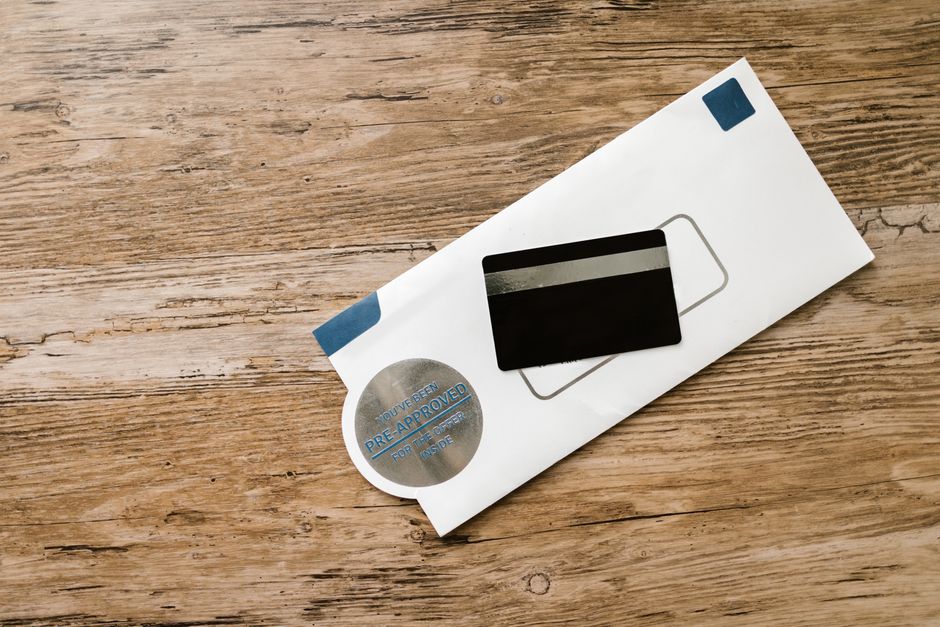
Don't overlook SBA-backed financing. The Small Business Administration doesn't lend money itself, but it guarantees loans made by approved lenders. That guarantee makes lenders more willing to approve lower-credit applicants.
SBA options include:
- 7(a) loans for working capital, equipment, or general business purposes
- 504 loans for real estate and equipment (typically larger deals)
- Microloans for startups and very small businesses
SBA loans move slower than pure alternative financing, but the rates and terms are often better. If you have time, it's worth exploring both paths and comparing what you qualify for.
What Happens If You Get Approved
Once you're approved, you'll get a term sheet that spells out the rate, fees, repayment schedule, and collateral requirements. Read this carefully. Ask questions about anything you don't understand before signing. The agreement fine print matters, so don't skip it.
Approval doesn't mean you have money yet. Closing takes another few days to a week. Fund transfer happens once all paperwork is signed and any final conditions are met.
How to Improve Your Odds Right Now
Even before you apply, a few moves increase your approval likelihood:
- Bring a co-signer. If a business partner or owner with better credit will sign alongside you, lenders see lower risk. You don't need great credit for them, just better than 620.
- Show recent improvement. If your credit dipped but you've been paying bills on time for the last 6-12 months, mention it. Trajectory matters.
- Clean up errors on your credit report. You're not trying to boost your score overnight, but obvious mistakes (accounts that aren't yours, wrong amounts) should be corrected. This takes time, but it's free.
- Gather more collateral than you think you need. Over-collateralization signals confidence and reduces lender risk. It also usually gets you better rates.
Can I get approved for alternative business financing with a 550-620 credit score?
Yes. Most alternative lenders consider scores in this range if your business shows stable revenue and you offer collateral. Approval isn't guaranteed, but it's realistic. Traditional banks won't even look at you, but alternative lenders will. The key is having a business that's actually profitable right now.
How long does approval take if my credit is below 620?
Alternative lenders typically approve in 2-7 days. SBA loans take 3-4 weeks. The timeline depends on how fast you return documents and how straightforward your application is. Having everything prepared up front cuts days off the clock.
What if I don't have collateral to offer?
Unsecured financing exists, but it's harder to get with low credit. If you can't pledge collateral, lenders might ask for higher rates, a shorter term, or both. Some will still approve you based purely on business cash flow, but your business revenue needs to be strong and growing. Being upfront about this from the start saves time.
Will applying for alternative financing hurt my credit score?
A pre-qualification check (soft inquiry) won't hurt your score. A formal application will trigger a hard inquiry, which might drop your score by a few points temporarily. But if you get approved and funded, the boost to your cash flow and ability to pay other debts usually makes up for it. Don't let fear of a small dip stop you from applying.